| Reading time: 15 minutes |
Introduction
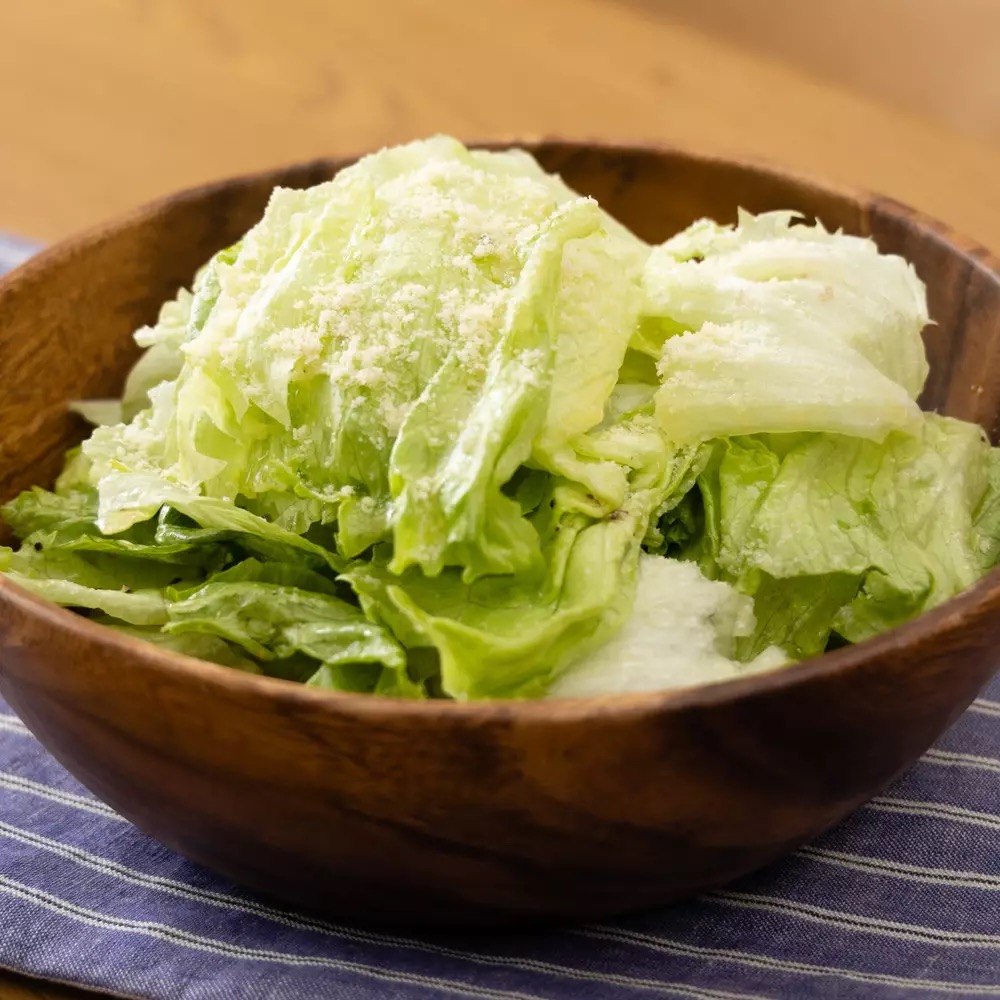
Our first module is about salads. When you think of salads, you may not think of Japanese home cooking. But salads are a ubiquitous part of a typical meal set (kondate 献立). Additionally, we’ll learn how to make our own dressing from common seasonings, something you may not have considered before.
We’ll first explore the minimal set of tools and seasonings required to make a simple salad. Along the way, we’ll learn about grocery stores and how to navigate them. Finally, we’ll learn our first recipe template and make a lettuce salad with a vinaigrette dressing.
We recommend all readers at least skim the Tools and Shopping sections, but if your kitchen is stocked and you’re comfortable there, feel free to jump to the Template section.
Minimum total cost of this module (all tools, seasonings, foodstuffs): ~¥2,190.
Tools
| Cheap | Reasonable |
|---|---|
| ¥900 | ¥7,060 |
Before jumping into cooking, we need the right tools. We need to bootstrap your kitchen, so module 1 will require the most tools up front. Future modules will rarely require more than 1 or 2 new tools.
This book tries to assume very few prerequisites. However, we will assume you have at least a small “kitchen” area with a sink, a refrigerator, and a stovetop. If you don’t have a refrigerator (not recommended), you’ll have to go shopping immediately before cooking. If you don’t have a stovetop, you’ll need to purchase a portable one before a future module (for example, an induction cooktop).
Acquire each tool and check the box next to it on this page. We’ve provided recommended links to fit your budget and enthusiasm, but almost anything you find will work fine. Note: all links assume you live in Japan.
- Online: So you don’t have to leave the house. Allow some time for delivery!
- Store: If you prefer buying in-person, these are links to stores commonly found in major cities around Japan.
- Cheap: Buy this version if you’re on a budget or not ready to invest. Expect to replace these tools sooner than later on your cooking journey. For in-store, check a ¥100 store like Daiso.
- Reasonable: A good balance of quality and price. We recommend Nitori for low-end reasonable and Muji for high-end reasonable.
- Timeless: For those that live the motto “Go big or go home”. When cared for properly (we’ll help), these tools should become lifetime cooking companions.
Bowl ボール
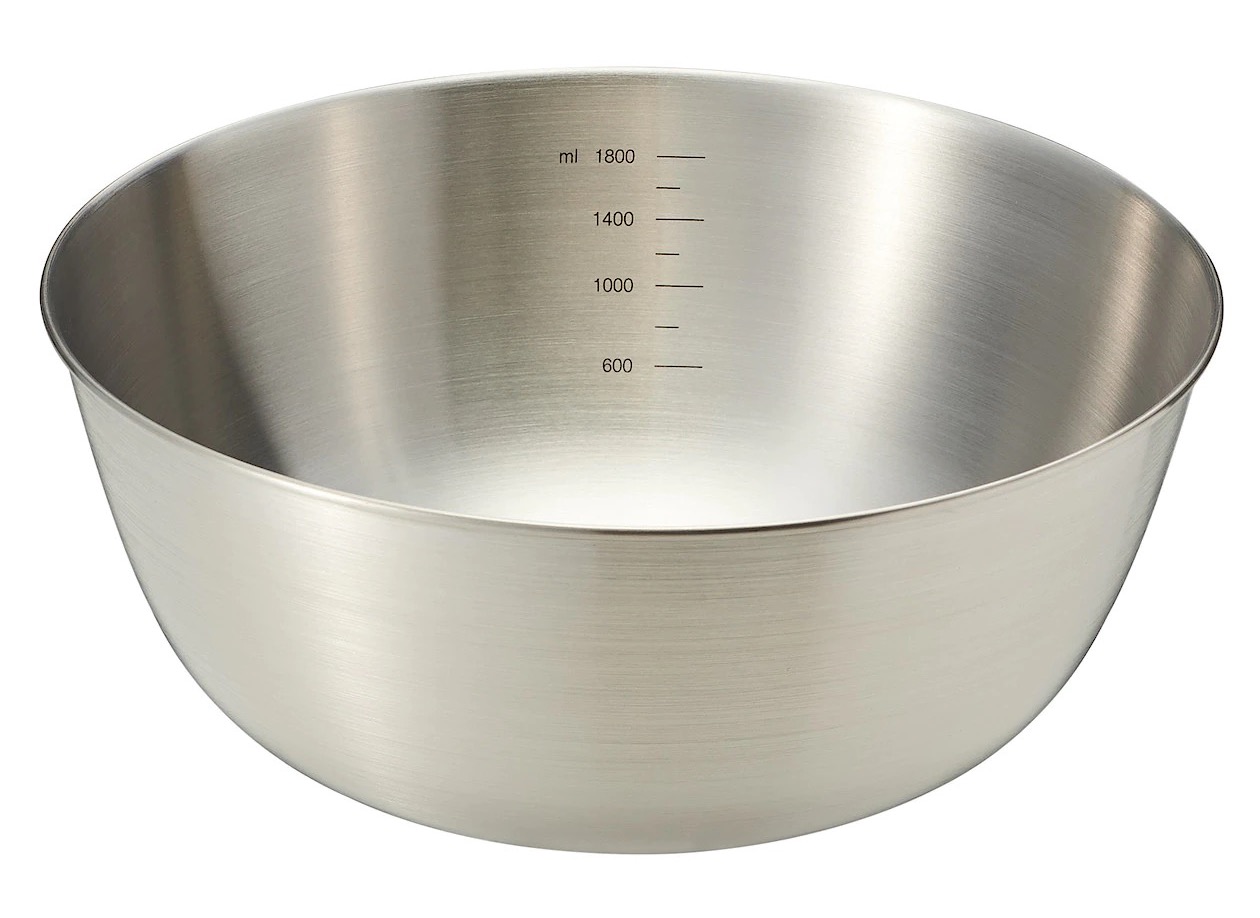
Can be used for a variety of purposes, such as exposing ingredients to water, mixing seasonings, and so on. Microwave-safe ones are convenient.
- Online - Amazon - Cheap - ¥475 - CB Japan Heat Resistant Bowl, Green (18cm), atomico
- Online - Amazon - Timeless - ¥2,960 - Iwaki KSKC-BO-3 Heat-Resistant Glass Basic Bowl, Set of 3
- Store - Daiso - Cheap - ¥100 - フレスコボウルR-24 WH
- Store - Reasonable - ¥790 - ステンレスボール
Colander 水切りざる
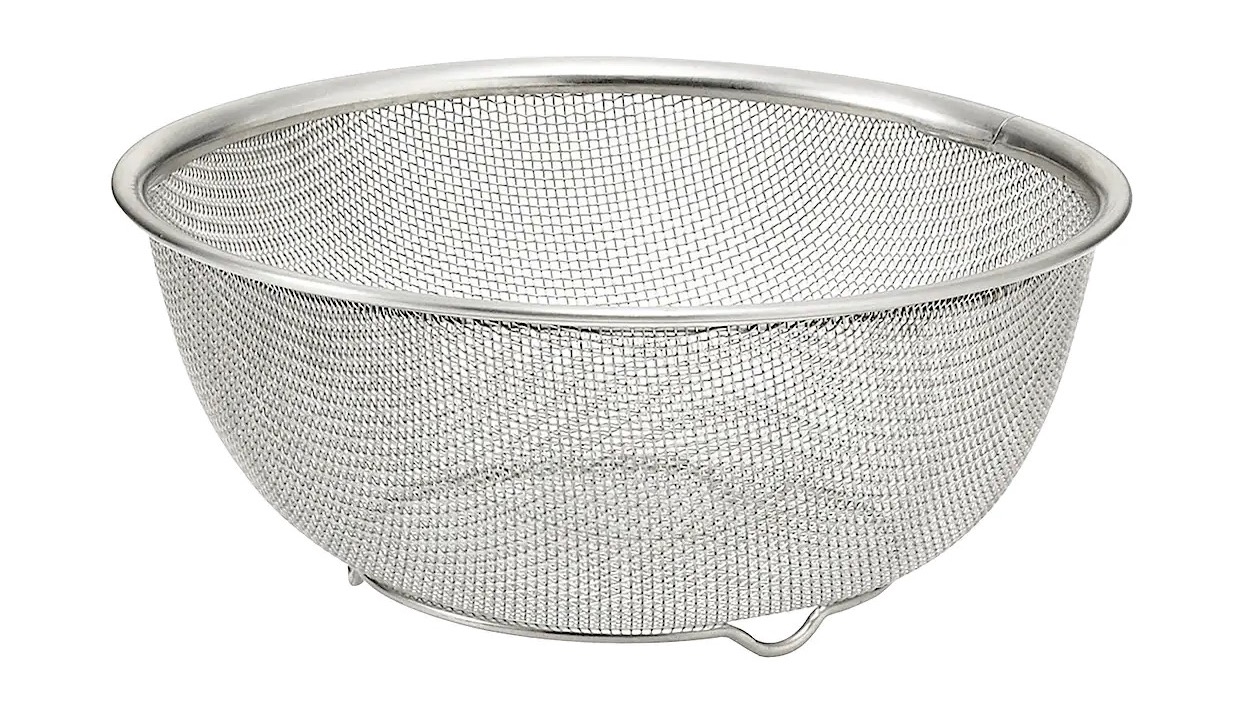
Used to drain water from rice, noodles, and vegetables. We recommend a size that is one size smaller than the bowl and can be stacked for storage.
- Online - Amazon - Cheap - ¥794 - Wahei Freiz SUI-6006 Deep Colander (27cm)
- Online - Amazon - Reasonable - ¥1,870 - Like-It Colander & Bowl
- Store - Daiso - Cheap - ¥200 - 水切りざる(2重タイプ)
- Store - Muji - Reasonable - ¥1,190 - ステンレス メッシュザル・S
Small bowl ボール
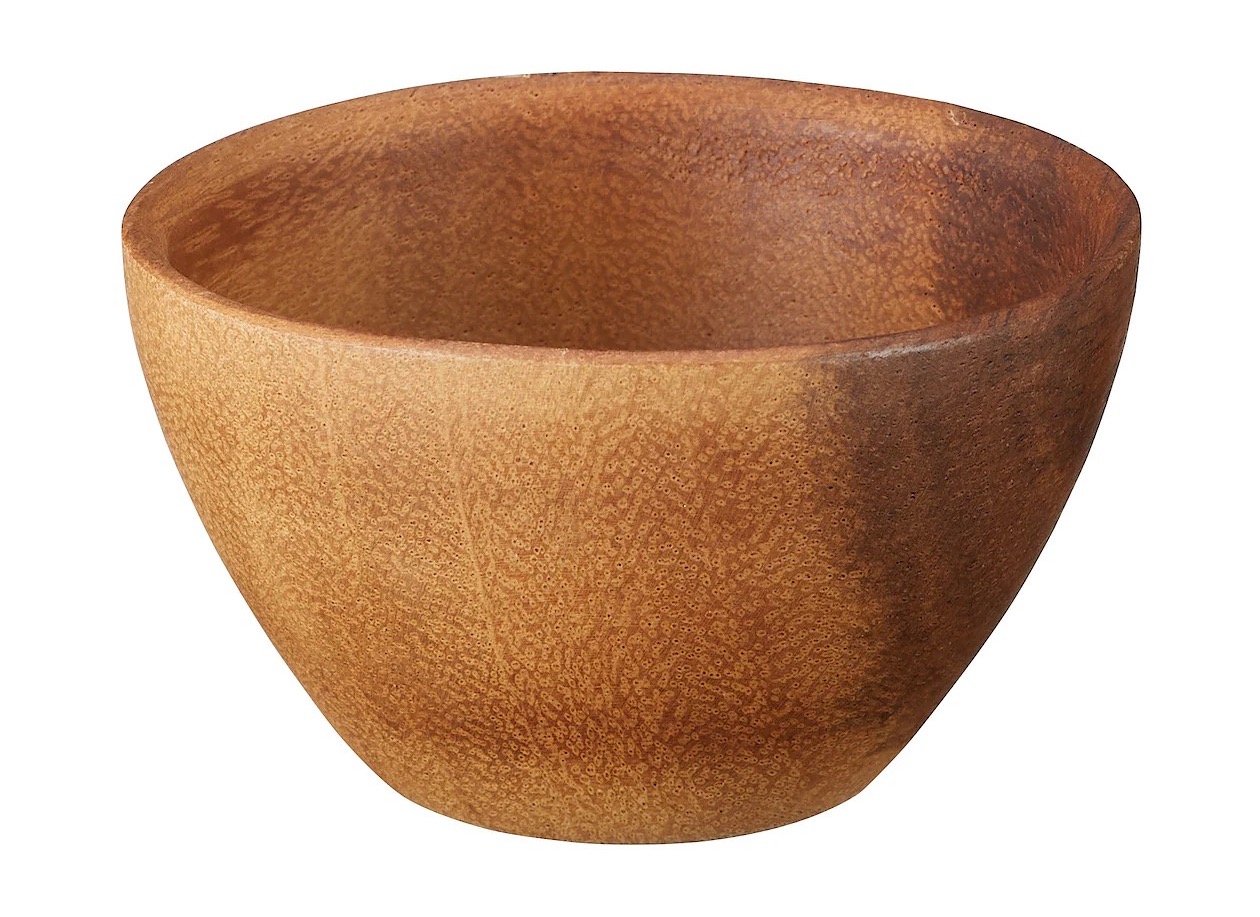
You can use this small bowl for both preparing food and eating it. We recommend a classic wooden miso soup bowl because it looks nice doing both.
- Store - Muji - Reasonable - ¥350 - アカシア ボール
Spoon スプーン
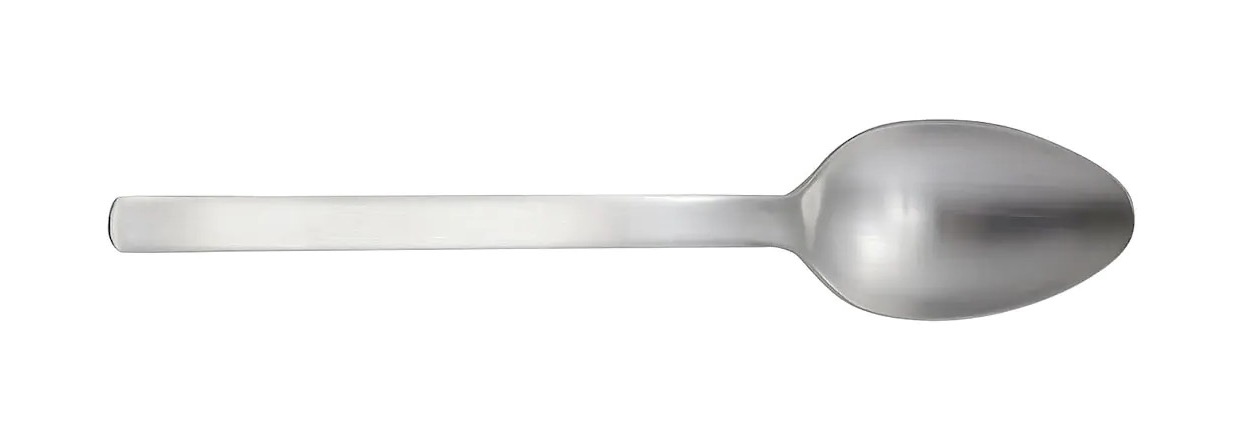
Use this for eating, but also for measuring rough quantities. Earlier I said we wouldn’t be doing much exact measuring, but ratios and rough estimates can keep you in the ballpark.
- Store - Daiso - Cheap - ¥100 - ステンレス調理スプーン
- Store - Muji - Reasonable - ¥290 - ステンレス スプーン大
Fork フォーク
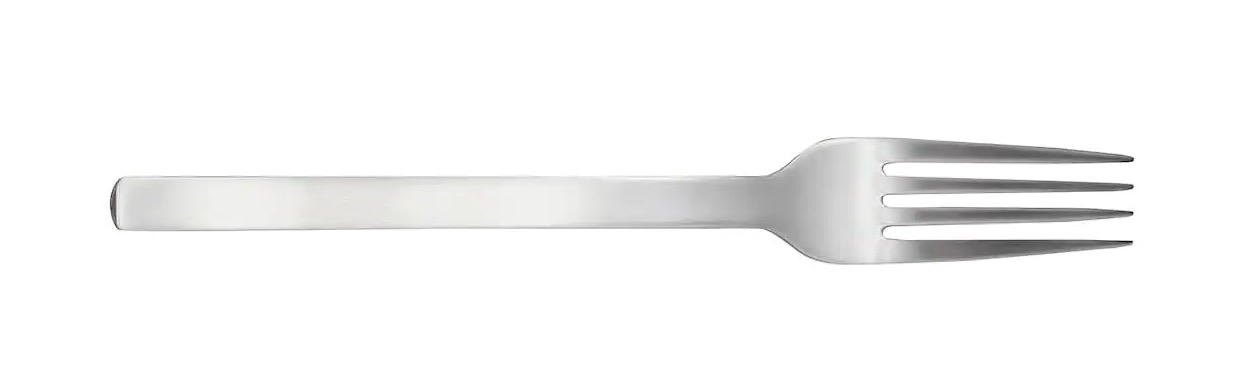
Primarily for eating. If you prefer chopsticks, grab some of those too/instead. We won’t need it in this module, but why not get a silverware knife as well.
- Store - Daiso - Cheap - ¥100 - ステンレスデザートフォーク
- Store - Muji - Reasonable - ¥390 - ステンレス フォーク大
Dish soap 食器用洗剤
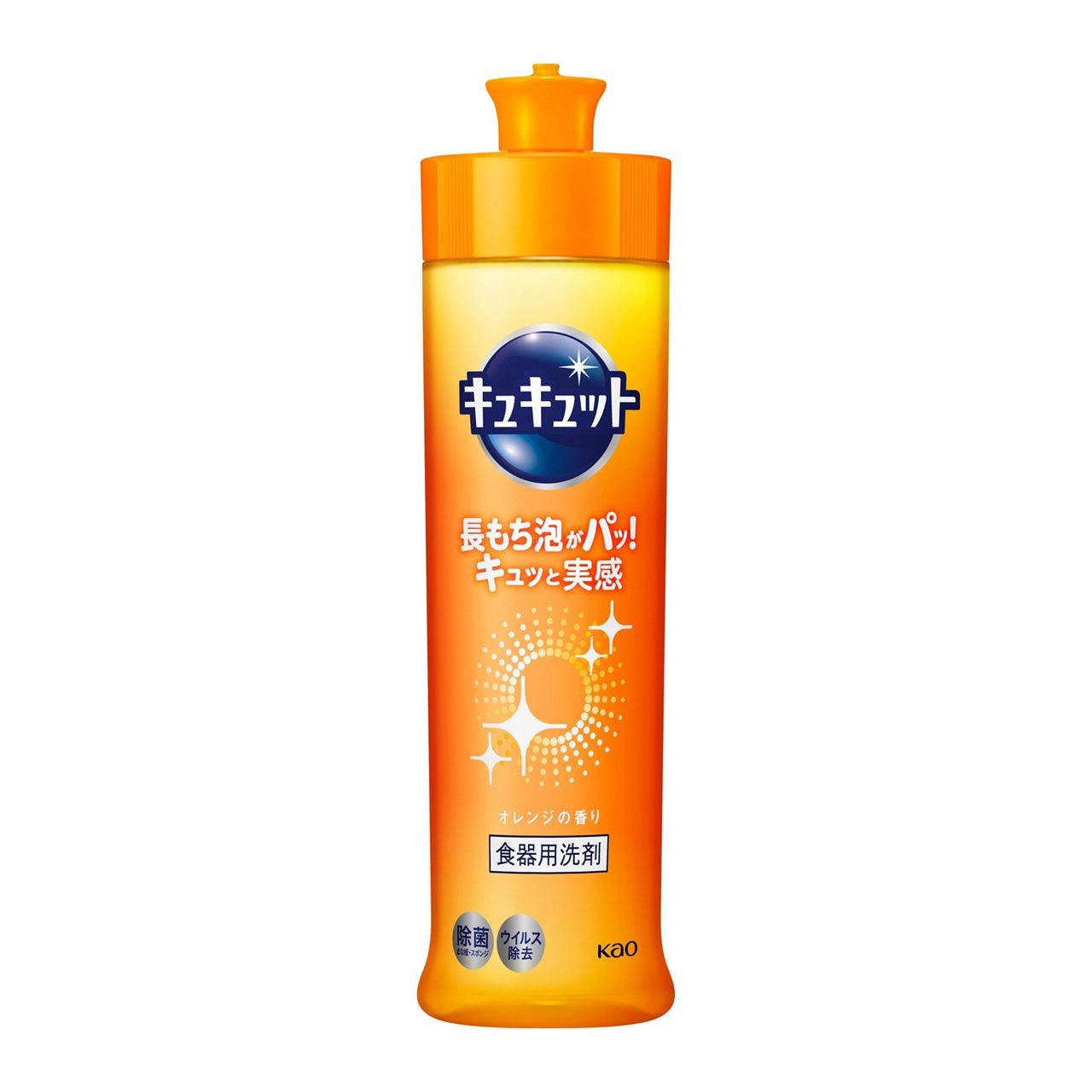
Unless you have an dishwasher (exceedingly rare in Japan), you’ll need some dish soap to hand wash your dishes.
The above image is of a brand and bottle shape it’s common to find in supermarkets and drugstores. The store brand will be located nearby, and will probably be cheaper.
Look for two different phrases on the bottle:
- 食器用洗剤 daidokoro yo senzai (literally: kitchen use detergent)
- 食器洗い洗剤 shokki arai (literally: dishwashing detergent)
Although sometimes brands will just assume you know what each bottle is for and not write anything explicitly related to its purpose on the label.
You’ll usually find a bottle with a closable nozzle (like the photo above) and a larger bottle type with just a cap for refilling the former type.
- Online - Amazon - Reasonable - ¥1000 - サラヤ ヤシノミ洗剤 500mL 詰替用 480mL
- Online - Amazon - Expensive - ¥770 - Joy Kitchen Detergent 315 ml
- Store - Daiso - Cheap - ¥100 - 食器洗い洗剤 750mL
Sponge キッチンスポンジ
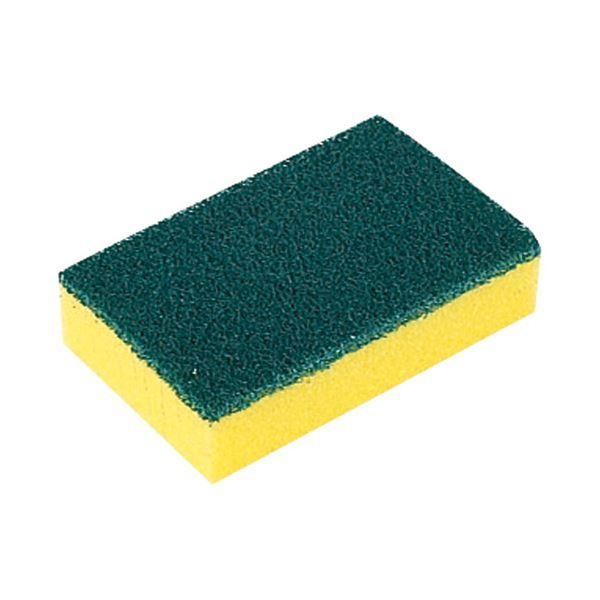
For scrubbing your dishes. You’ll find these near the dish soap. They usually come in single packages for longer-lasting types like Scotch Brite, or in multi-packs for types you’ll burn through quickly.
Either way, it’s recommended you sanitize your sponge regularly (after every use if you’re being cautious). One way to do so is to put it in a (microwave-safe) bowl in the microwave for a minute.
- Store - Daiso - Cheap - ¥100 - ネットスポンジ(泡立ちぷらす、2個)
Paper towel キッチンタオル
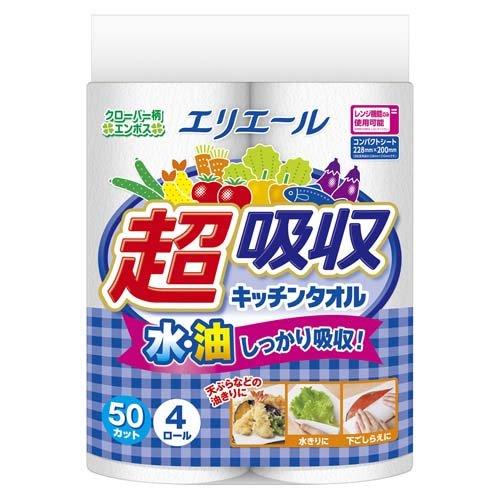
Paper towels (literally: kitchen towel キッチンタオル) are used regularly in the kitchen. In this module we’ll use them for drying our lettuce, but more often you’ll use them for wiping up counters or drying dishes. A proper cloth towel is also recommended for some of these use cases later on.
In stores, you may find these near toilet paper. The packages are usually similar sizes, so make sure you look closely for キッチンタオル somewhere on the package.
- Store - Daiso - Cheap - ¥100 - キッチンタオル 2ロール
Shopping: beginner’s guide
This section is about getting you comfortable finding and navigating a supermarket in Japan so you can get to the fun part (cooking).
For 3-times-daily cooks in Japan cooking for a family, it’s common to visit the supermarket every day. As your cooking journey progresses, you may find yourself wanting to do the same. However, for now, we’ll try to ease you into cooking by only requiring a trip once every 2 weeks or so.
Grocery store types
The distribution and variety of supermarkets will be different in cities and rural areas. There are a few conglomerates that own most supermarket chains. However, it’s best to consider them by a few common size buckets.
- Convenience store: Besides junk food and prepared meals, convenience stores often have a small section of semi-prepared fresh vegetables, eggs, milk, etc. that can be useful in a bind. Common seasonings like vegetable oil, soy sauce, etc. as well. We recommend visiting a few of your neighborhood conbinis to check their inventory.
- Examples: 7-Eleven, Family Mart, Lawson
- 2-aisle: This type is about the size of a big convenience store. It will have one or two choices for main staples and seasonings, a small selection of common produce, and a small selection of raw meats (alongside frozen food, drinks, etc.). These stores do not have any in-house food preparation. You can certainly make do shopping at these stores, but for freshness and variety, we recommend shopping at supermarket or larger stores.
- Examples: My Basket, maruetsu petit, mini Piago, Seijoishii, Lawson 100
- Supermarket: Supermarkets usually have a comfortable variety of fresh food and seasonings. They have (small) in-house food preparation departments. You can usually find kitchen essentials like dish soap and plastic bags, and occasionally find basic cooking tools. A very ambitious cook might sometimes feel a bit constrained by the selection, but in general this size can be the regular option for everyday cooking.
- Examples: Peacock store, Life, Tokyu store
- Shopping center: The largest size supermarkets that have all varieties of produce you’ve heard of and many you haven’t. The meat and fish selection is huge. In addition to in-house food preparation, there’s also a bakery. Specialty foods and imported foods are common. Prices will generally be lower too. Their downsides are that they’re uncommon in dense city centers and the variety can be overwhelming to new cooks.
- Examples: Aeon Style, OK Store, Mega Don Quixote, Piago, Cost-co
- Specialty: These stores are small and specialize in one type of ingredient, like a greengrocer 八百屋 (only fruit/vegetables), butcher 肉屋, fish monger 魚屋, or bakery パン屋. You may want to visit a specialty store if it’s convenient to your home, if you’re looking for something special, or if you trust the proprietor.
All things equal, you should try to do most of your shopping at supermarkets, with 2-aisle and convenience stores only in a pinch. However, you can still do great cooking from any of these sources.
There are also several online supermarket delivery options. However, these will more difficult to navigate with limited Japanese language ability. It’s also harder to see your buying options at a glance and develop the ability to pick the freshest produce. For now, we’ll assume you can visit a physical store.
Navigating a supermarket
Start by searching for supermarkets around your home. You can also try searching for some of the example store names above. Judging by the pictures, try to find one in the mid-size or full-size category. When walking around your neighborhood, keep an eye out for hole-in-the-wall produce shops that might not have an internet presence.
Read through the template and ideas in this module and pick out which foodstuffs look most delicious to you.
For your shopping list, use the checklist in this website’s sidebar for this module. Get all the seasonings on your first trip, but you can always plan to go back later for more foodstuffs.
On entering, you’ll find a stack of hand baskets. Grab one. In full-size stores, you’ll find metal push carts you can put the basket in.
First, locate the produce section. Some produce will be chilled in open-air refrigerators and the rest will be nearby. Usually this will be on an outer wall of the store.
Mid-size stores and above may have organic and regular varieties of produce on separate shelves. Organic will be sometimes be labeled オーガニック. Or you can tell by comparing prices (organic is more expensive).
Some produce will be pre-wrapped. For others (e.g. broccoli) you’ll need to find the rolls of thin, clear plastic bags and tear one off. Carefully bag your selected vegetable and place it in your basket.
Next, move on to the non-refrigerated aisles towards the center of the store to find seasonings. Each store will be arranged and grouped differently so we can’t give exact directions. But we’ve included representative photos of each seasoning and foodstuff so, worst case, you can show the photo to staff.
While showing a photo to staff:
Where is this?
これ、どこにありますか?
kore, doko ni arimasuka?
As you progress through the modules, you’ll become more familiar with your local store and how ingredients are related, and the process of finding new ingredients will become easier.
Make sure you’re only buying an amount you’re capable of transporting home. Some ingredients will be heavy, especially if you’re walking long distances.
Finally, it’s time to pay. Some stores (usually 2-aisle) will have a mix of self-registers. We’ll assume you can find a human cashier.
The cashier will take your basket and beginning scanning items. They’ll transfer each item to a separate colored basket that corresponds to “paid”.
The cashier will ask you after taking your basket or right before accepting payment whether you need a bag. You’ll need to pay ~¥5 per bag.
Chain stores of all sizes will accept almost all forms of payment. However, you may want to bring cash your first time just in case.
Once you’ve paid, you can take your new basket to a nearby table area to transfer your groceries to the plastic bags. In the bagging area there will be a roll of thin, clear plastic bags you can use (for free) to wrap trays of meat to protect against leaks on your way home.
Congratulations! You survived your first shopping trip. It only gets easier from here.
Shopping: seasonings
Cost: ¥1,290
Seasonings will generally be bought less often than foodstuffs. Once you have a nice “library” of seasonings, you’ll usually replace them irregularly as they run out. When you notice one is getting low, make sure to add it to your shopping list for next time.
You’ll buy seasonings alongside foodstuffs on regular trips to the supermarket.
Costs are pre-tax and of course will vary significantly depending on prefecture, store size, season, quantity, brand, etc., but should give you a baseline for how much you’re likely to spend.
Olive oil オリーブオイル
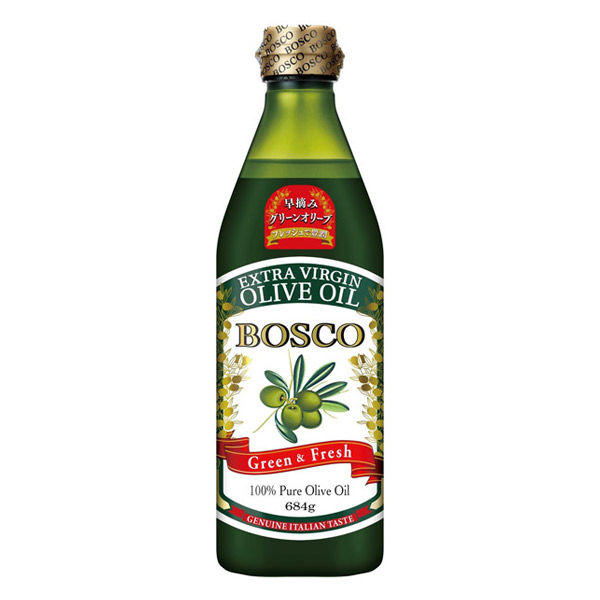
Cost: ¥500 (228g)
Olive oil is used for both seasoning and cooking. It has more taste than neutral oils like vegetable oil, therefore you can find a larger variety of qualities and prices. In the future, you may want to start a small collection of more expensive types for garnishing uses where its taste will take a front row like drizzling on pasta.
There are several types of olive oil. You should start with “extra virgin”. Extra virgin has more taste than “pure”.
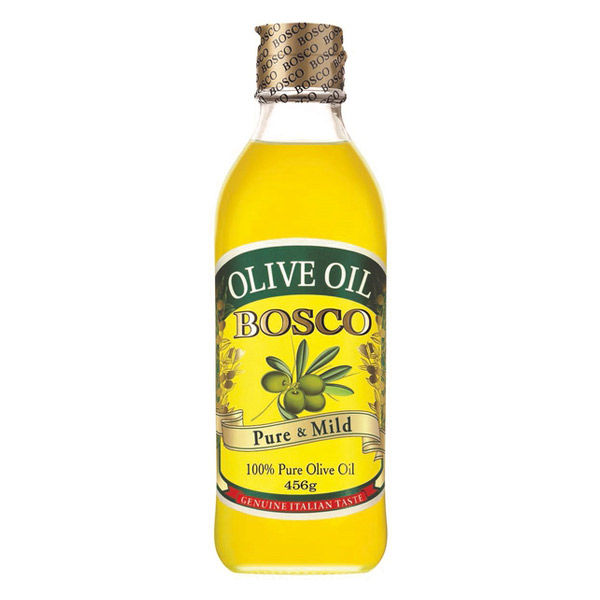
~450g is a common bottle size, but feel free to start out with ~200g.
All olive oil will go rancid eventually, but you can keep it fresher longer by:
- Preferring a dark glass bottle (instead of a clear plastic bottle).
- Store the bottle out of direct sunlight.
Vinegar 酢
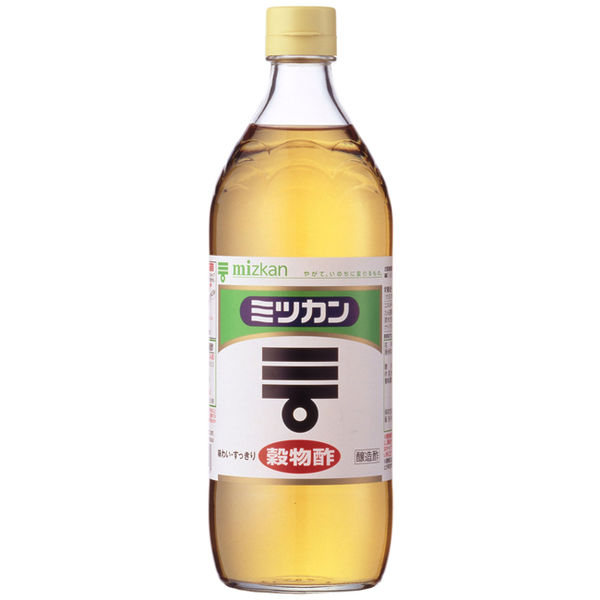
Cost: ¥130
Vinegar is a seasoning that adds acidity. It also removes the smell of food and softens it. There are many kinds:
- “pure” versions each made from different staples (rice, grain, apple, etc.)
- “mixed” version that include other liquids like sake or dashi (やさしい酢, すし酢, etc.).
Start with grain vinegar kokumotsusu 穀物酢. In the above picture, the kanji is inside the red circle.
Salt 塩
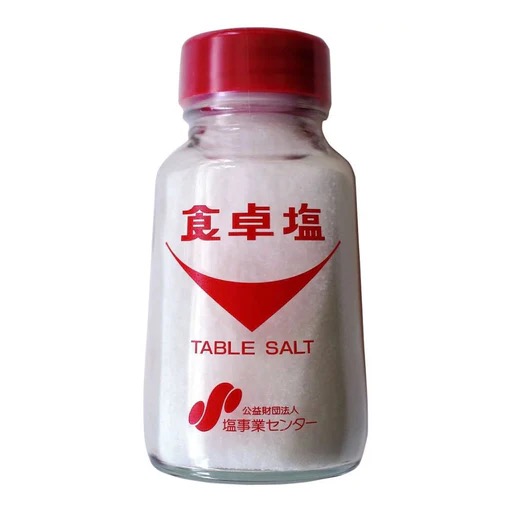
Cost: ¥80
Salt is the most basic seasoning. It is also effective in removing water from food and removing odors. There are many kinds for many purposes, but for now we’ll start with table salt.
Look for 食卓塩. Buy a shaker-type container at first. When you run out, buy a small bag and refill the container.
Sugar 砂糖
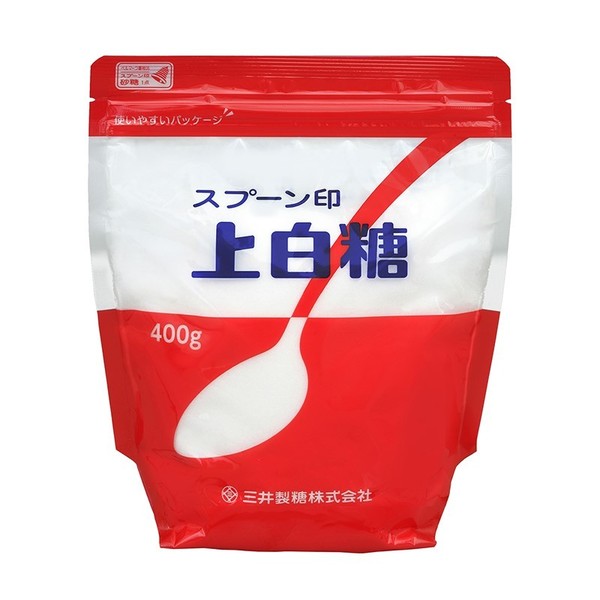
Cost: ¥170
Sugar is a seasoning that gives sweetness. It also softens food. Look for white sugar shirozatou 白砂糖 (also called caster sugar jyouhakutou 上白糖).
Black pepper 胡椒
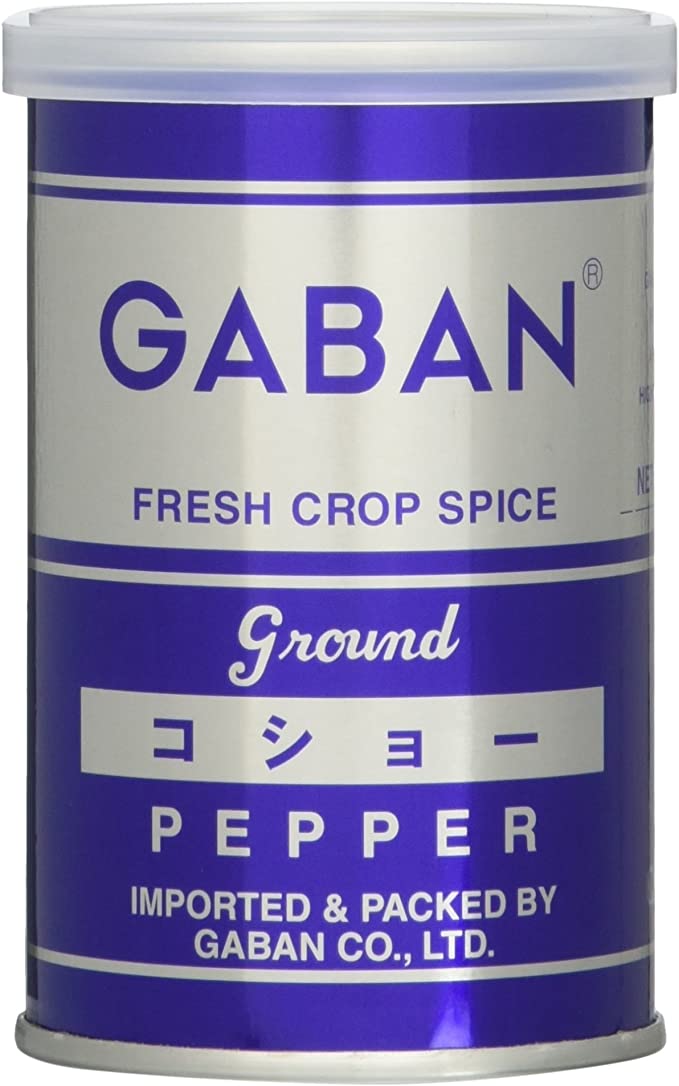
Cost: ¥210
Black pepper is a spice characterized by its pungent taste. It adds an accent to dishes and also removes the odor of meat and fish. It’s sold as raw peppercorn and pre-ground varieties. At first, buy a small shaker of pre-ground black pepper, or a disposable container with a built-in grinder. Later in your journey, we’ll recommend buying peppercorns and a standalone grinder for the freshest taste.
Shopping: foodstuffs
Items marked (recommended) are referenced in the main recipe template. Items marked (optional) are referenced in the ideas section.
Head lettuce (レタス) (recommended)
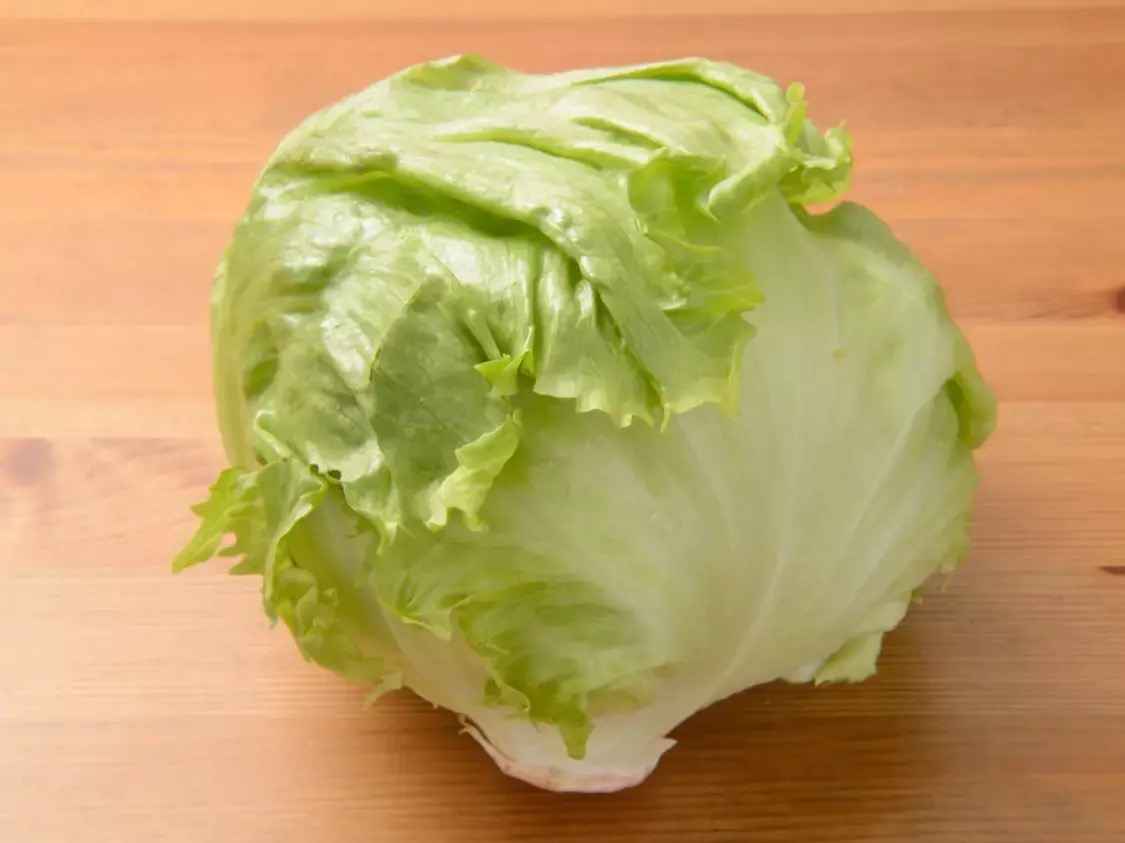
Cost: ¥200
Head lettuce (known simply as lettuce retasu レタス) is one of the mildest choices for a salad. It’s packed densely, so expect it to last several cooking sessions. It has a large stem, so it may last longer in the refrigerator (up to 2 weeks) than frail greens.
If you don’t use the whole head of lettuce in one meal, try putting it in a normal plastic bag and tying it. You can also find vegetable storage bags at ¥100 stores.
If your refrigerator is too cold, the high water density of lettuce will cause it to freeze and go bad.
Beware that a head of lettuce looks very similar to a head of cabbage キャベツ. Cabbage is similar but tougher in consistency. We’ll use cabbage in a later module.
Sunny lettuce (サニーレタス) (optional)
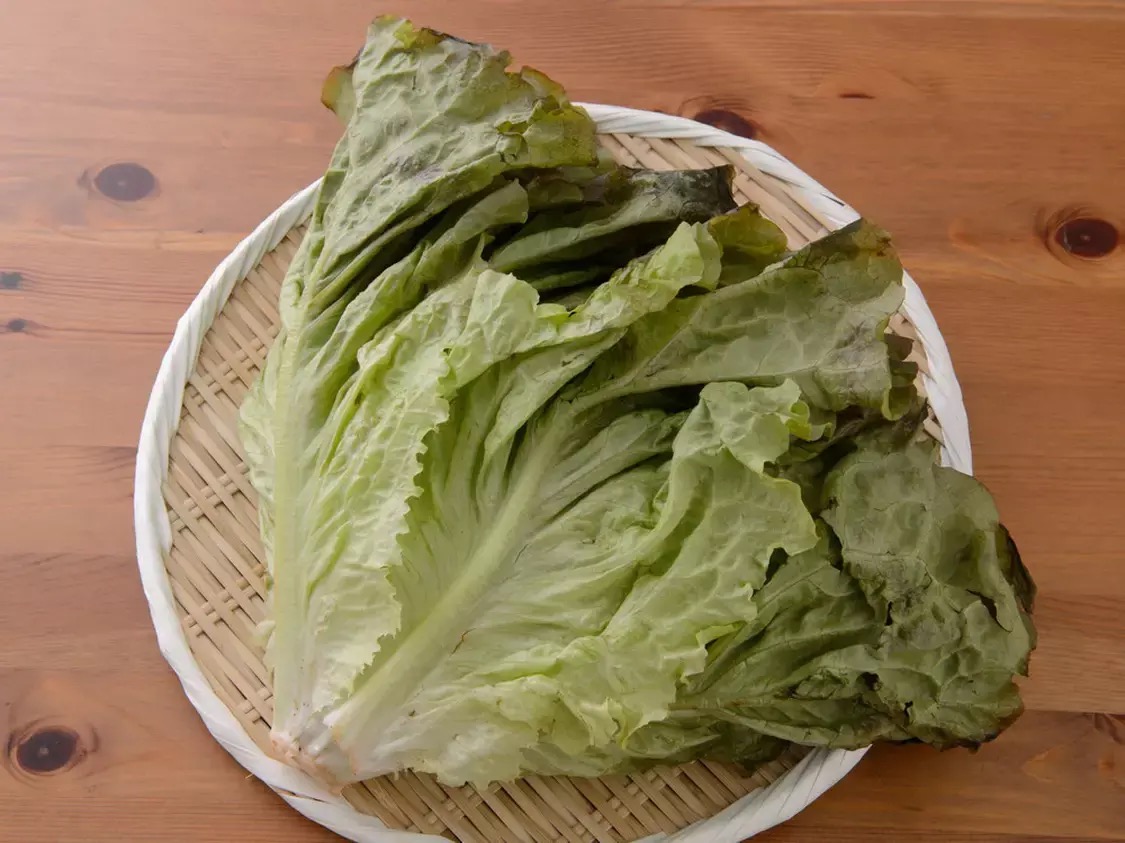
Cost: ¥180
Sunny lettuce is a type of red leaf lettuce developed (and named) in Japan. It’s characterized by dark green/purple tips. It has a relatively soft consistency in the top half.
Mesclun (ベビーリーフ) (optional)
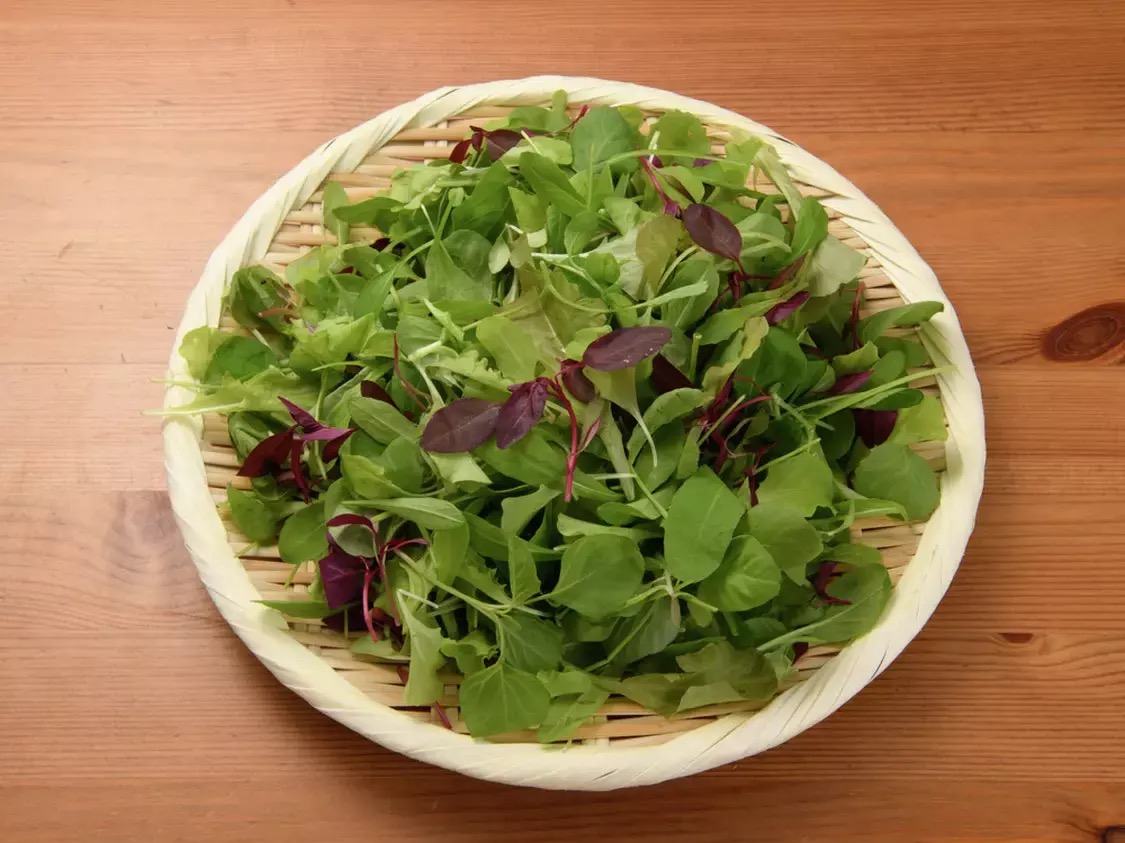
Cost: ¥200
Mesclun, sometimes known as Spring Mix, is a mix of assorted small young salad greens like chervil, arugula, endive, baby spinach, collard greens, Swiss chard, mustard greens, and etc. (Don’t worry if you wouldn’t be able to pick any those out of a police lineup.)
The Japanese term is baby leaf ベビーリーフ is also used to describe young salad greens of single varieties, so use your eyes to find this variety. It’ll look like a mix and probably have some more purple/red splashes of color.
Food safety
In this section, we’ll introduce relevant food safety information for the module.
Food safety is an important but often overlooked topic. In Japan, there were over 12,000 incidents of food poisoning in 2021.
The Japanese government has a food safety website in English, but much food safety information is not country-specific, so it can be convenient to check your own country’s page (for example, the USDA page or CDC page from the US government).
Working with meat and fish is comparatively more dangerous, and we’ll learn safety tips for those in future modules. However, fruit and vegetables can still contain harmful germs like Salmonella and E. coli.
In this module, keep these rules in mind:
- Wash your hands and tools before and after preparing the lettuce and dressing.
- Thoroughly wash the lettuce with only water. You shouldn’t use soap.
- Discard parts of the lettuce that are damaged or bruised.
- Dry the lettuce with a clean paper towel.
- Refrigerate the lettuce at 4℃ or below within 2 hours of preparing it.
Template: lettuce salad (レタスサラダ)
For your first cooking session with a module, try to follow the template as-is. If things go well the first, time move onto the ideas section for ideas on how to modify the template to create new dishes. If things don’t go well, try the template again!
Remember, if you need a full meal, now would be a good time to go out and get a main dish to go with the salad we’re making.
Ingredients
- Lettuce レタス
- Olive oil オリーブオイル
- Vinegar 酢
- Salt 塩
- Sugar 砂糖
- Black pepper 胡椒
vinegar:olive oil -> 1:2
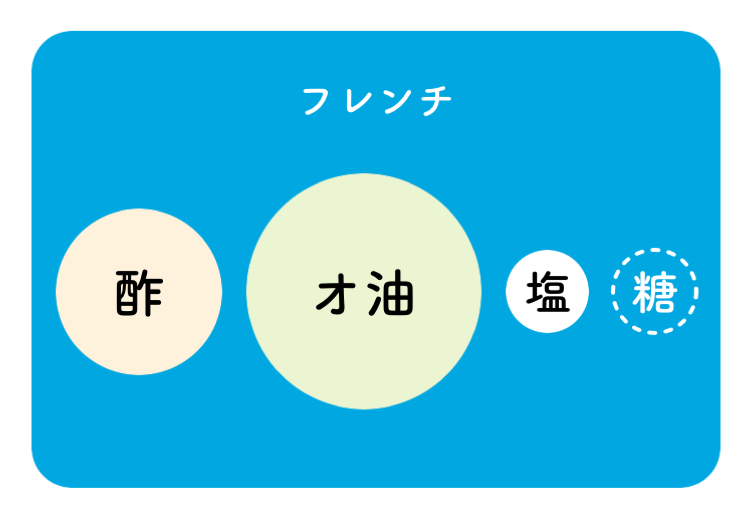
Method
- Prepare the lettuce
- Mix the dressing
Prepare the lettuce
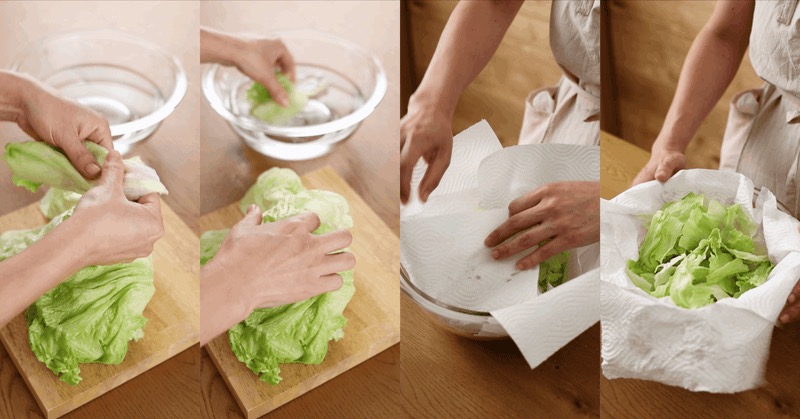
- Fill a large bowl half way with cold water.
- Add some ice to the bowl if you have it.1
- Place the colander in the sink.
- Carefully remove part of the plastic wrap around the lettuce.
- Pull back the leaves from the top, ripping them at the stem.
- Remove as many leaves as you’d like to eat.
- Tear each leaf into bite-sized pieces.
- Add the leaves to the bowl and rinse them lightly, removing any dirt.
- Let the leaves sit for 10 minutes (if you have time).2
- Pour the contents of the bowl into the colander.
- Line the bowl with paper towels.
- Return the lettuce to the empty bowl.
- Dry off the lettuce with the paper towels.3
Mix the dressing
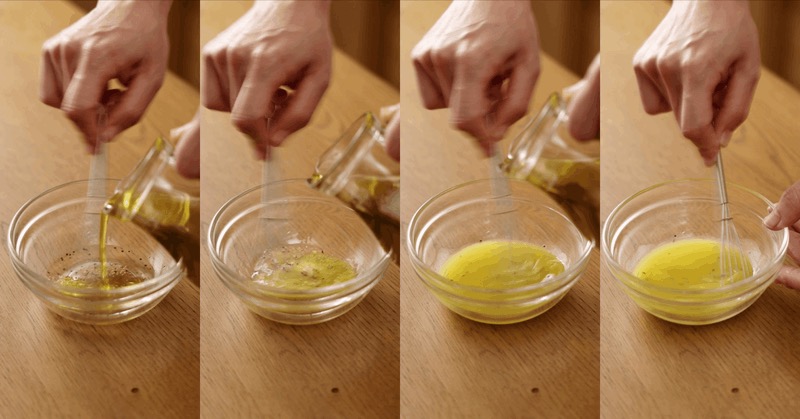
- Prepare your small soup bowl, spoon, and fork.
- Based on how much lettuce you’ve made, you’ll have to decide how much dressing you need to make. You’ve had dressing on a salad before, right? Do you like a lot or a little? Maybe overshoot and you don’t have to use all of it.
- Use your spoon to measure out a relative amount of vinegar. Also use this amount as a memory aid so you can adjust the absolute amount next time.
- Sprinkle in some salt, pepper, and sugar, then whisk the liquid quickly with your fork until it’s dissolved. How much of each? Try a little at first.
- Use your spoon to measure out the relative amount of olive oil according to the ratio above, adding it a little at a time while whisking with your fork. The mixture should become thick.
- Pour your dressing on the salad and give it all a toss with your cooking chopsticks or the fork.
- Serve in the small bowl.
- Take a photo to remember your progress!
Retrospective
- How was your salad? 1, 2, or 3 stars?
- Did you make the right amount of salad for your hunger?
- Were the leaves too big and a bit awkward to eat?
- Did you make enough dressing?
- Did the granule seasonings dissolve fully into the dressing?
- How was the consistency of the dressing?
Idea 1: lettuce type
Try substituting sunny lettuce or mesclun for head lettuce in the template above.
- Does the dressing combine with the leaves the same as it did with head lettuce?
- Is the taste stronger than head lettuce?
- Which lettuce variety do you like the best?
Idea 2: dressing ratio
- Try a 1:1 ratio of vinegar and olive oil.
- Try adding too much sugar.
- Try adding too much black pepper.
- Try adding salt a little bit at a time and mixing then tasting, then repeat. Can you find the perfect amount of salt without going over?
Why did I fail?
In this section, we’ll try to give solutions to common failures. You can try these next time. If you encountered a problem not covered here, email us and we’ll try to recommend solutions. We’ll add it to this section to help the next cook too.
- Was the dressing too salty?
- Try adding less salt.
- Was the dressing too strong or bitter or acidic?
- Try adding more sugar.
- Was the dressing too bland?
- Try adding more salt.
- Try adding more pepper.
- Try adding more vinegar.
When have I completed module 01?
- Challenge 01: You should be comfortable preparing two or more different types of lettuce and the template dressing without referencing the template.
- Challenge 02 (optional): You should have a rough understanding of how different vinegar and olive oil ratios taste.
- Challenge 03 (optional): You should know how to “fix” a dressing that’s too bitter.
Ice water will make the leaves crispier and more refreshing.↩︎
The longer the leaves stay in the ice water (up to ~15 minutes), the more water they will soak in and the crispier they will be. Use this technique to revive partially wilted lettuce leaves.↩︎
If you make lots of salads, a salad spinner is a prudent, albeit clunky, investment to quickly remove water without paper towels.↩︎